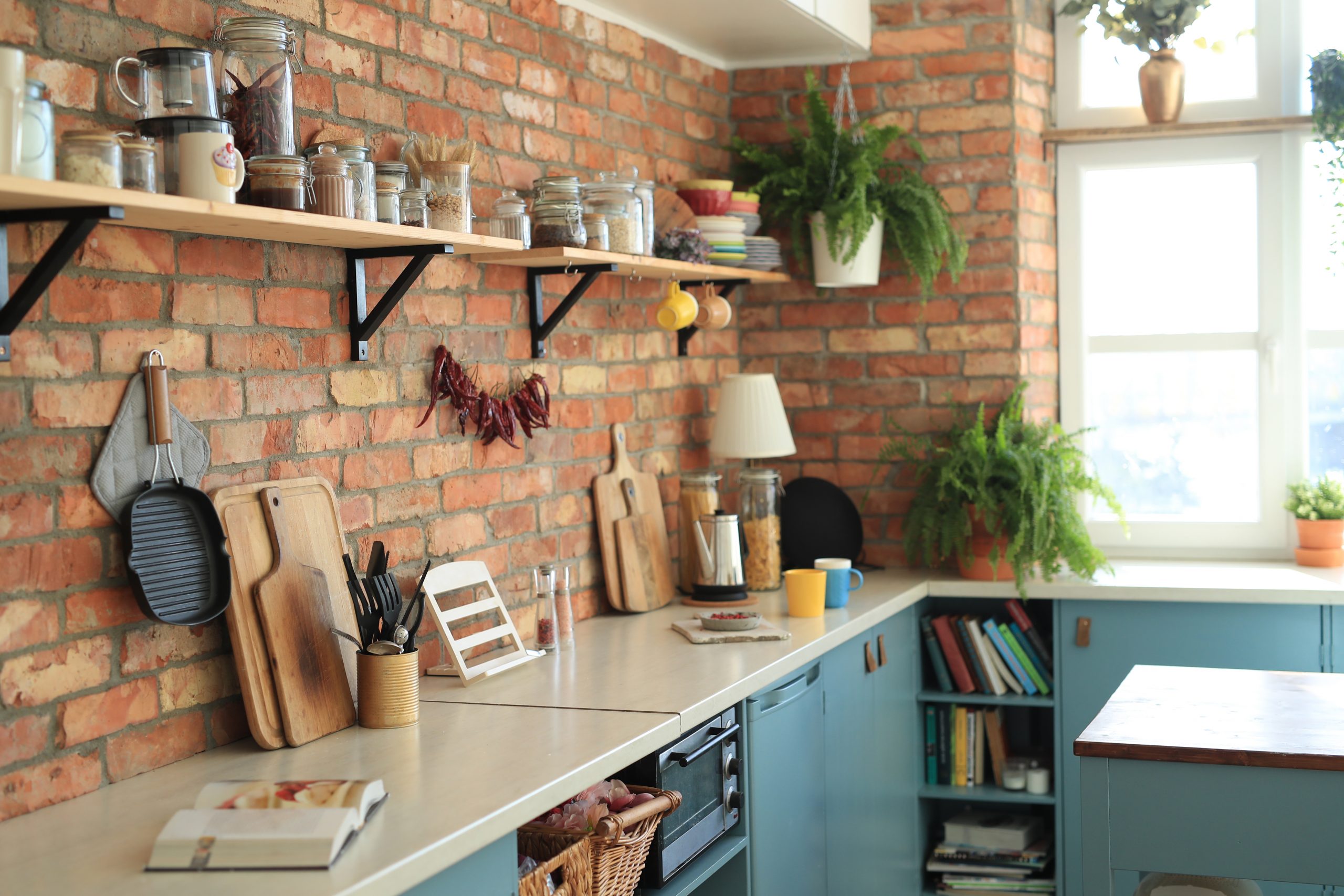
What are the best Zero Waste solutions for the kitchen? Let’s find them out in this new chapter of our open guide to how to live Zero Waste.
Dishwashing soap blocks, on-tap detergents, and DIY detergents
Zero Waste solutions to substitute soaps and detergents, both for dishes and the kitchen in general, are always more within everyone’s reach thanks to on-tap products.
For those who hand wash their dishes, we can handmade our soap too, or there’s the dishwashing soap bar, which can often be found biodegradable and vegan. Let’s also be mindful about the packaging of the soap bars we buy, considering that many can be found package-free.
Last but not least, and certainly major Zero Waste champions, are the variety of options there are for homemade detergents made with natural and affordable ingredients. All we have to do is to find our favorite recipes. Here’s our recipe for a Zero Waste degreaser.
Eliminate plastic and aluminum foil thanks to Zero Waste layers
To substitute plastic and aluminum foils, there’s a very easy solution: we can cover the container with a plate or a lid instead, or use a Tupperware-style solution. However, if it’s something that we must wrap in foil, then we can use bee wraps, cotton cloth dipped in beeswax, that makes them waterproof, washable, and moldable.
Bee wraps last around one year, after which you can easily “recharge” them by dipping them into edible wax again. Keeping this in mind, for all the DIYers reading, they can be easily made at home with old sheets or cotton cloths and some edible wax.
Other little tip: we can start to find cloth that dipped into vegetable wax, which can be better than beeswax – of course, always checking the way it gets produced!
Loofah and silicon sponges for the dishes
To replace cleaning sponges with something that is life-lasting is, unfortunately, still impossible. However, they can be replaced with their loofah equivalents. 100% natural and as much effective, loofah sponges have a much longer life, don’t release microplastics and, ultimately, with enough time, are also compostable. Another alternative can be silicon sponges too, which can be reused forever.
Cloth napkins and reusable tableware
Turning our table Zero Waste is easy: reusable tableware (pottery dishes, glass cups, and metal cutlery) and cloth napkins.
We would like to spend a few words for those parents who usually opt for single-use tableware and napkins. We know that this solution makes our lives easier and allows us to dedicate more time to our children. However, if we try to imagine how much time this actually saves, we can realize that we’ll earn just a handful of minutes in exchange for a future full of waste – and it’s exactly their future we’re talking about. We’re aware that taking care of big families, or even simply hosting people, can be very tiring. However, after all is said and done, no gesture is more far-sighted and considerate of the people we love than setting our tables with reusable components. And for some more suggestions on how to raise your children sustainably, find out more in the chapter about Ecoparents.
Glass jars
Glass jars are the true kings of Zero Waste, especially if transparent. This is because they have such a wide variety of uses, from containers to decorations and tons of other solutions. Plus, if broken, they can be 100% recycled since they’re transparent glass.
Moreover, big and small glass jars can become elegant glasses, especially if decorated by us with colors and different designs. Bigger jars can become water glasses – as seen in many bars already. Smaller ones can become espresso cups or little glasses for brandies and digestives.
Wood and steel ladles
It’s true! Here, the focus is more than just zeroing out waste. It’s a matter of material too since Zero Waste also means choosing products with a longer life. When we have to buy a cooking ladle, it’s much more sustainable to choose a ladle of wood or steel rather than any other material.
When plastics and bioplastics come in contact with extremely hot food and pots, they release microplastics into what we’re cooking. Not only that, their lifespan is much shorter than that of a similar product made of wood or steel.
Reusable plastic free paper towels
The number of paper towels that we use every week can be drastically reduced if we replace the classic paper towel with a reusable one. Of course, we’re talking about a paper towel that, at some point, will be thrown away, but if we manage to reduce our waste production, it’s still a success.
Zero Waste oven paper
Other “kitchen foil” that can be substituted with a reusable version is oven paper. The solution is a simple oven mat, the kind of mat that resists high temperatures, works exactly like oven paper, and is washable and reusable.
Where to start for a Zero Waste kitchen?
- On-tap and DIY detergents
- Cloth napkins and reusable tableware
- Loofah sponges
- Eliminate plastic and aluminium foil
Do you have some more Zero Waste suggestions and solutions? Write us! We’ll be happy to add it to our list and inspire always more people.
Keep on exploring our guide to how to live Zero Waste, visit all the sections: