In this new chapter of our Zero Waste guide, here are all the suggestions and solutions to cut waste and pollution and have a Zero Waste school.
Zero Waste Stationery
In school we use plenty of stationery, often a lot more than what we actually need, and made with unsustainable materials. For a Zero Waste school, let’s opt for pens and markers made of natural materials, that are biodegradable and possibly compostable. Let’s make sure that pencils are made with certified wood, coming from sustainably managed sources. Let’s use recycled paper, and let’s make sure to use both sides of the paper. Let’s print and make copies only if highly necessary.
Second hand text books
School text books stay are used by various generations, year after year. So why purchasing them new when we can give new life to old books, buying them second hand? We can buy and sell school books directly in school, or at markets. Besides being a great action for the environment, it will also save us a lot of money!
This of course involves taking good care of the text books we have to then sell them once we don’t need them anymore and keeping their value high, making them last through the years.
Open air activities
Outdoor Education is an innovative and particularly healthy educational method. What makes it so effective is the contact with nature that this method implies, as well as the more emotional-experiential type of learning that it implies.
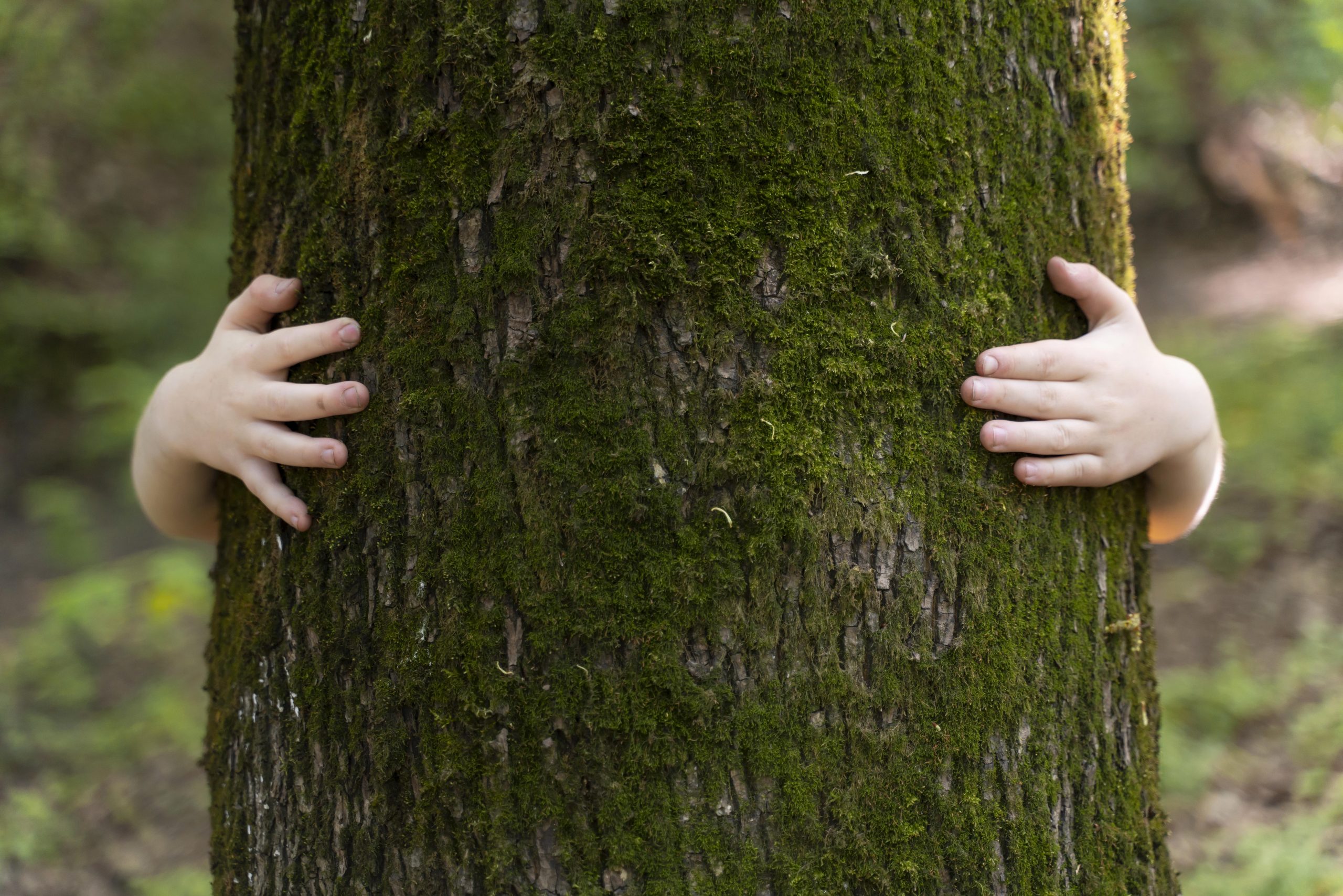
Taking our classes outside, if not in nature, independently from what we teach, will create great benefits to our class, increasing the students’ ability to learn and regenerating the connection between students and nature.
Moreover, this reconnection will be a precious tool to convey to new generations the importance to protect the environment and take care of our planet. Of course, if outdoor education aims at finding out how nature works and how wonderful it is, then it would be even more effective! Last but not least, if our school has a large garden, developing a vegetable garden where we can carry out horticulture activities can be another great example of sustainable practice, which will teach students the importance of self-production, the preciousness of the fruits of the earth, seasons, and the value of what we eat. Generally speaking, growing a vegetable garden allows one to develop many competences, both theoretical and practical, all highly preparatory for a sustainable lifestyle.
Bring ReFRESH to your school!
Do you want to empower outdoor education in your school? Do you want to teach students Zero Waste practices, self-production, horticulture and upcycling? Our school project, ReFRESH – Free From Trash, has this goal exactly! If you want to bring it to your school, write us to inspire.ecoparticipation@gmail.com
Reusable water bottle: Zero Waste queen!
Instead of sending our children to school with a single-use water bottle, let’s give them a reusable one, that they will easily refill from the tap.
Indeed, single-use bottles besides being anachronistic, are incredibly dangerous for the health of those who use them. Reusable water bottles, possibly made of stainless steel, are the perfect Zero Waste solution to drink water or other drinks of other types.
In our chapter about sustainable food, you can find many other options to eliminate single-use water.
Zero Waste snacks
Snack time can be a riot of waste and packaging, so let’s make sure to have a good Zero Waste snack. There are many solutions: fruits and veggies, slices of cake and home made sandwiches that our children can bring to school with reusable lunchboxes and containers, or reusable layers. Or snacks can be purchased fresh from the school cafeteria – if there’s one.
A nice practice that can be established in the class could be that of shared snacks. Taking turns, each student can bring a snack to school that can be shared with everyone: a cake, or some picca or some fruits and veg. Each student can bring their own plate, glass and reusable napkin and share this Zero Waste time.
Zero Waste school canteen
School canteen surely is one of the school places where the most waste happens. Of course, those who can really do something in this case are the members of staff, by choosing to manage it in a sustainable way: by cooking smaller portions and proportionated to the actual consumption; by choosing local, seasonal and possibly package-free food; eliminating single-use cutlery and tableware; by using leftovers to cook new meals; by composting organic scraps.
What children can so on their side is to only take what they will actually eat, so to eliminate waste and, in case the canteen uses single-use tableware, to bring their own Zero Waste kits, such as reusable water bottle, reusable glass, cutleries, plate and napkin.
Let’s go to school sustainably
The way our kids go to school – or how we take them – makes the difference: let’s choose sustainable means of transportation (like for example bikes) or public transportation, or let’s walk!
Let’s abolish vending machines
Schools are filled with these single-use monsters. Whether it’s the coffee cup with its little stick to steer the sugar (even when we have it without sugar or milk), or the plastic bottle of our drink, or the wrap of a snack, automatic dispensers are the epitome of single-use and here the only possible Zero Waste solution is: don’t use them.
In case we are the school principle, we have the great power of choosing to not install these machines and offer a Zero Waste alternative to our students and staff.
If we really can’t do without automatic machines, we can encourage our students and staff to carry their own cup and spoon and make a place available to wash them afterward. We can also eliminate cups and sticks from the machine so that it’ll become just a drink dispenser. This way, not only will we apply a Zero Waste solution without having to toss the machine, but we might also raise awareness among our visitors on why we’re doing it.
When it comes to water, we can give away reusable water bottles and, in case our tap water is not potable, we can install water dispensers in the building.
If we are students, parents or staff, we can ask the school principle to apply all we just said, teaming up with the school community to be more effective. Moreover, let’s choose to bring from home our warm beverages and snacks in reusable bottles and containers.
Let’s sort our trash
If we really can’t avoid producing a piece of trash, let’s make sure that it ends up in the right bin, by sorting the garbage ever since our school time. If we don’t have waste sorting in school, then let’s urge the school to do it.
Let’s enrich our school and class with plants.
By enriching our class, if not our school, with air depurating plants that also relax our nervous system is a great way to assure the wellbeing of the people in the class and school. On top of that, it’s a great exercise of care and responsibility for children and kids, who can take care of them taking turns, empowering their human and emotional competences.
Where to start for a Zero Waste School?
- Zero Waste stationery
- Zero Waste snacks and canteen
- Plants in schools and class
- Going to school sustainably
Do you have some more Zero Waste suggestions and solutions? Write us! We’ll be happy to add it to our list and inspire always more people.
Keep on exploring our guide to how to live Zero Waste, visit all the sections: